


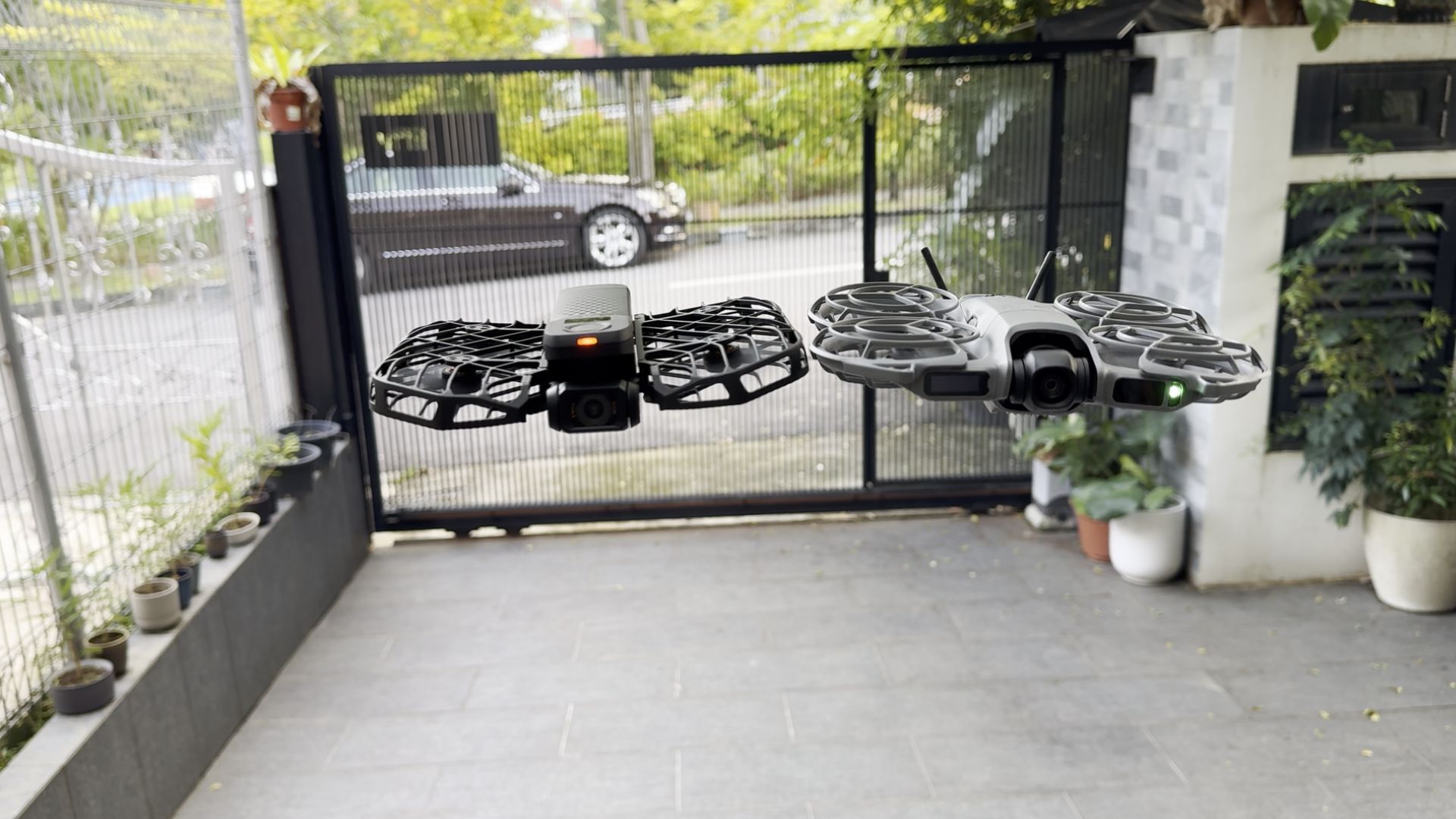
After spending several weeks testing both the HoverAir X1 Pro Max and DJI Neo 2 across various locations in Singapore, I’ve discovered these aren’t just competing products – they’re fundamentally different approaches to the same problem: how do we capture ourselves when we’re alone?
The Core Proposition
Both drones target solo content creators, athletes, and travellers who want professional-looking footage without a camera operator. They’re small enough to fit in a pocket, launch from your palm, and can track you autonomously. But that’s where the similarities end.
The HoverAir X1 Pro Max ($906 SGD) positions itself as a premium flying camera with 8K recording capability – the highest resolution available in any selfie drone. The DJI Neo 2 ($258 SGD) focuses on accessibility and ease of use, with innovative gesture controls and comprehensive obstacle avoidance at a fraction of the price.
Design and Build Quality
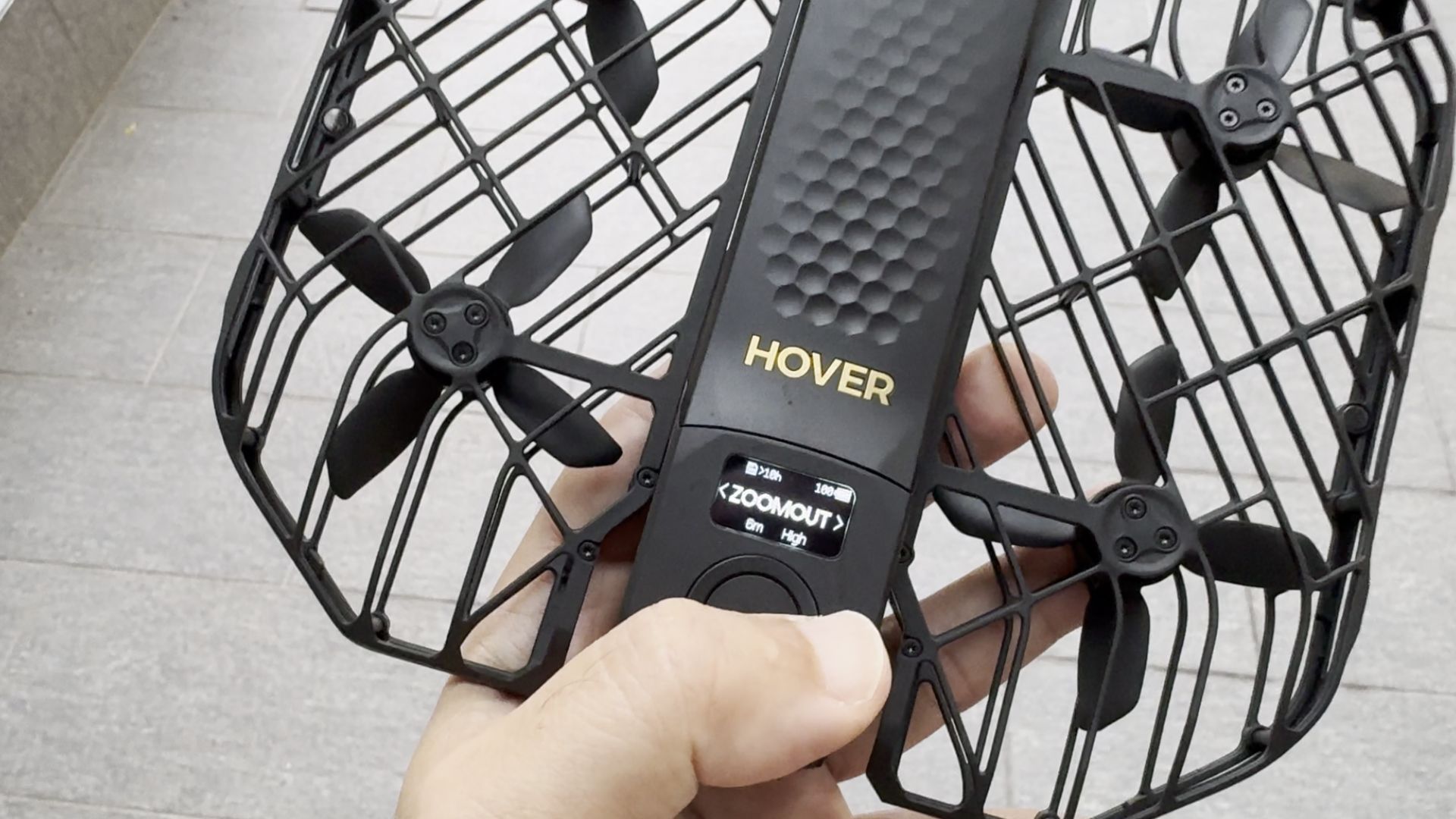
HoverAir X1 Pro Max at 192g, the Pro Max feels solid and well-built. Its folding mechanism is satisfying and secure, collapsing to about the size of a thick smartphone (4.13 x 5.86 x 1.34 inches). The enclosed propellers provide safety and durability, though they do generate more noise than traditional exposed props.
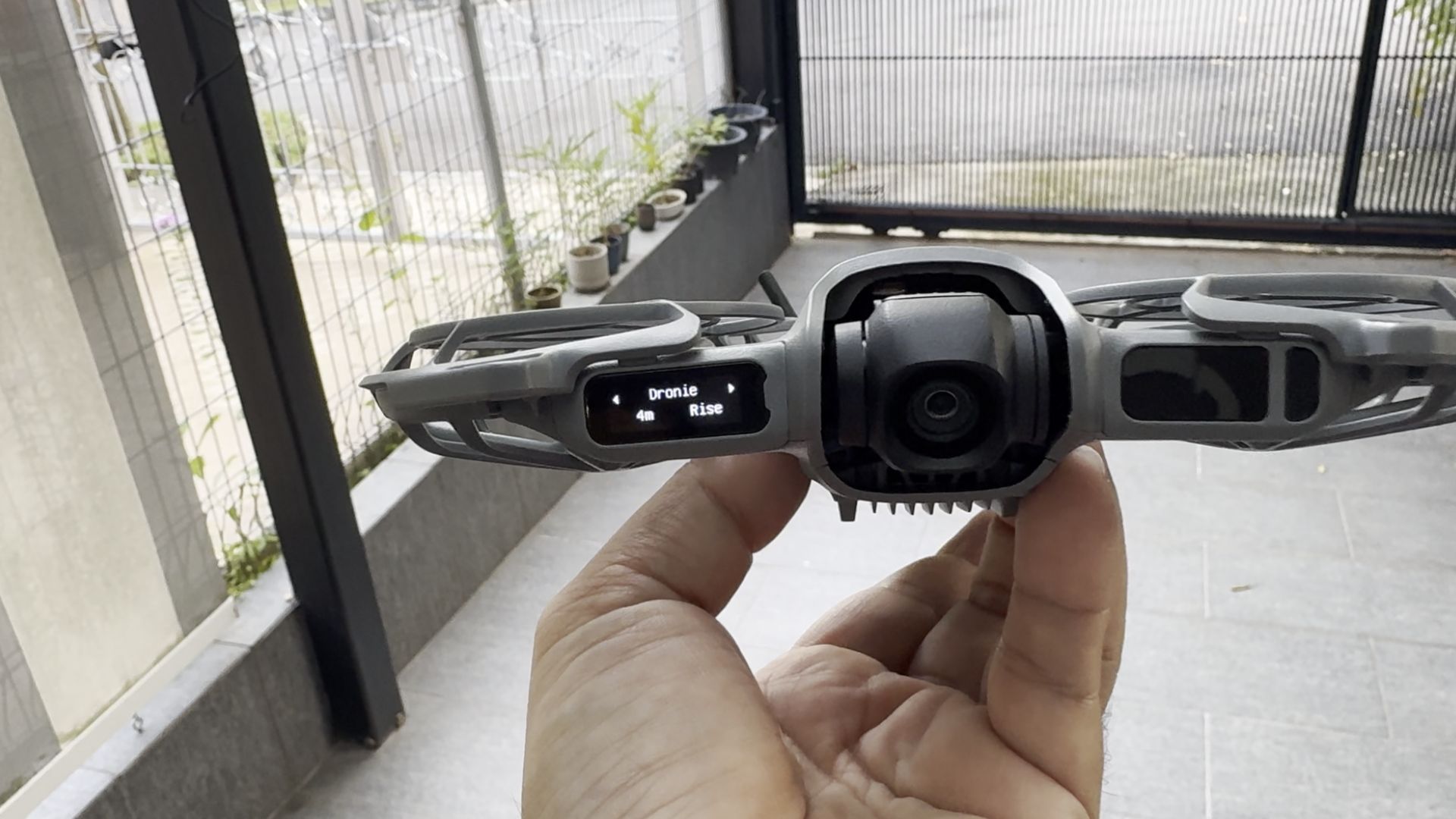
DJI Neo 2 Slightly lighter at 151g (160g with the transceiver module), the Neo 2 maintains DJI’s typical build quality. The new front-facing display showing flight modes is genuinely helpful – no more guessing which mode you’re in. The propeller guards are removable but feel somewhat flimsy compared to HoverAir’s integrated design. The flexible antenna on the transceiver module survived several crashes during my testing without damage.
Camera Performance
HoverAir X1 Pro Max. The 8K/30fps capability is remarkable. Using a 1/1.3″ CMOS sensor with a 16mm lens, it captures incredible detail. The 8K footage can be cropped by 400% and still maintain usable 1080p quality. The camera also offers:
- 4K at 120fps for slow motion
- 10-bit HLG HDR recording
- 48MP still photos
- Manual ISO and shutter control
The two-axis gimbal combined with electronic stabilisation produces smooth footage, though it’s not as stable as DJI’s implementation in challenging conditions.
DJI Neo 2 The Neo 2’s 12MP 1/2″ sensor is a significant upgrade from its predecessor, offering:
- 4K at 60fps (100fps for slow motion)
- 2.7K vertical video for social media
- 13.5 stops of dynamic range
- 49GB internal storage (vs 22GB in the original)
The new two-axis gimbal that can rotate and tilt is a game-changer – no more cropped footage when the drone banks. During running tests, the footage remained stable and properly framed throughout.
Flight Performance and Tracking
HoverAir X1 Pro Max. With 16 minutes of flight time and a top tracking speed of 26mph (42km/h), the Pro Max handles most action sports well. The OmniTerrain system worked flawlessly over water, where other drones might struggle. The rear collision sensors protect the drone during follow mode, though Dolly Track mode proved unpredictable, occasionally veering sideways.
Range is limited – about 800 meters with the Beacon controller, less with phone control. This is clearly designed for close-proximity filming rather than exploration.
DJI Neo .2 The 19-minute flight time and 27mph tracking speed make it practical for most activities. The omnidirectional obstacle sensing with the forward LiDAR is impressive, though it only works at speeds up to 8 m/s – beyond that, the drone flies blind.
The gesture control is the Neo 2’s standout feature. After some practice, I could control it naturally – raising my palm to make it climb, spreading both hands to adjust distance, and making a fist to stop. It feels genuinely revolutionary, though you do look slightly odd waving at the sky in public.

Ease of Use
HoverAir X1 Pro Max Setup is straightforward – unfold, press the button, and choose a flight mode. The app provides reasonable manual control, though it’s not required for basic operation. The intelligent flight modes (Follow, Orbit, Dolly Track, Zoom Out) work well, with face and body recognition keeping you centred in frame.
However, the limited battery life means you’re always watching the clock. During longer activities, I found myself constantly thinking about when to deploy it for the best shots.
DJI Neo 2 This is where the Neo 2 shines. Voice control via your phone or Bluetooth earbuds lets you command it while cycling or running. The palm launch and landing are more refined than HoverAir’s implementation. The new SelfieShot mode automatically captures three different framings – surprisingly useful for solo travellers.
The extra battery life removes anxiety. During long shoots, I could forget about it and focus on the shoot, knowing it would keep following for nearly 20 minutes.
Real-World Usage in Singapore
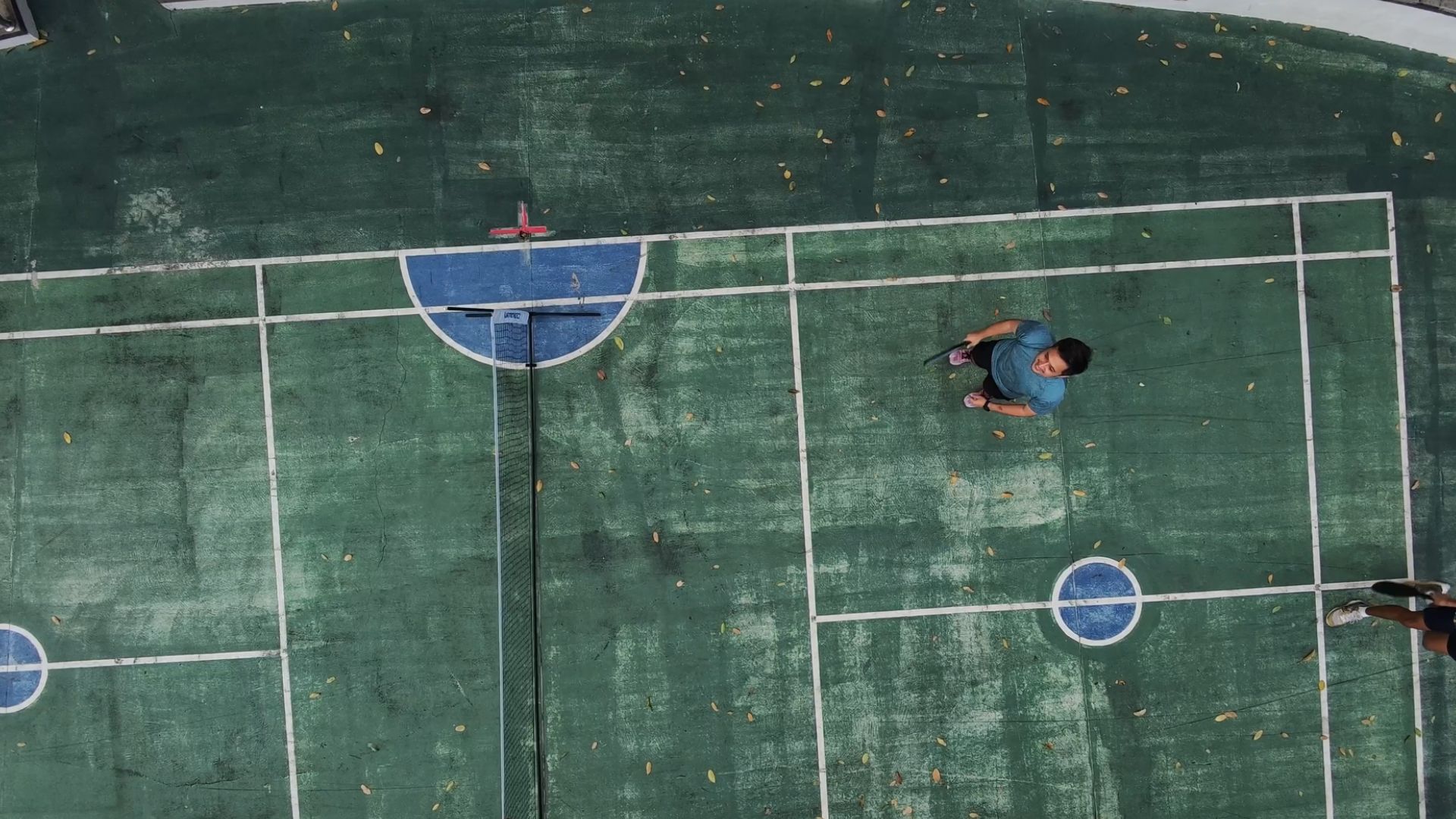
Both drones handled our humid climate well, though the lenses occasionally fogged when moving from air-conditioned spaces to outdoor heat. The Neo 2’s obstacle avoidance gave me more confidence in tight spaces around obstacles, while the HoverAir’s superior image quality made it my choice for planned content creation.
Value Proposition
HoverAir X1 Pro Max at $906 (SGD):
- Justified if you need the absolute best image quality
- 8K future-proofs your content
- Professional-grade output in a consumer package
- Best for serious content creators and those building portfolios
DJI Neo 2 at $258 (SGD):
- Exceptional value at this price point
- Gesture control is genuinely innovative
- Obstacle avoidance reduces crash anxiety
- Perfect for casual users and families
Who Should Buy Which?
Choose the HoverAir X1 Pro Max if:
- Video quality is your top priority
- You’re already invested in content creation
- You want footage that will age well as displays improve
- You don’t mind the premium price for premium output
Choose the DJI Neo 2 if:
- You want the easiest drone to fly
- Safety features matter more than ultimate quality
- You’re new to drones or want something the whole family can use
- Budget is a consideration
Final Verdict
Both drones deliver on their promises but serve different users. The HoverAir X1 Pro Max is a professional tool in a compact package – its 8K footage is stunning, and serious creators will appreciate the quality. However, the limited battery life and high price make it worth considering.
The DJI Neo 2 is the more revolutionary product. At $258 (SGD), it makes quality aerial footage accessible to everyone. The gesture control isn’t a gimmick – it fundamentally changes how natural drone control feels. While it can’t match HoverAir’s image quality, it’s good enough for social media and personal memories.
For most users, the Neo 2 offers better value and a more enjoyable experience. But if you’re serious about content creation and want the best possible footage from a pocket-sized drone, the HoverAir X1 Pro Max justifies its premium price.
After weeks of testing, I kept reaching for the Neo 2 more often – its immediacy and ease of use meant I actually captured more moments, even if they weren’t in 8K. Sometimes, the best camera really is the one you’ll actually use.
Both drones are available in Singapore through official retailers and online platforms. Check current no-fly zones before flying, and remember that drones weighing more than 250g require registration with CAAS.
Explore more: DJI Mavic 4 Pro Official Site
RELATED: The DJI Air 3S: Redefining Aerial Creativity and Safety
Join the conversations on TheHomeGround Asia’s Facebook and Instagram, and get the latest updates via Telegram.